Your CRM isn't the problem. Your sales pipeline is.
Most businesses invest in a CRM expecting it to transform their revenue overnight. They import contacts, build pipelines, run training sessions — and then, three months later, nobody is using it. The complaints are always the same:
- "It's too complicated."
- "Nobody updates it."
- "It doesn't reflect reality."
- "It feels like extra work."
The instinct is to blame the software. But the software is almost never the real problem.
The Real Problem: Poor Sales Pipeline Management, Not Bad Software
A CRM is a mirror. It reflects the structure — or the chaos — that already exists inside your business. If your sales pipeline management is unclear, your CRM will look messy. If your team doesn't know when to move a lead to the next stage, your pipeline stagnates. If follow-ups live in people's heads instead of a system, deals disappear.
Technology amplifies discipline. It doesn't replace it.
Switching to a new CRM without fixing your process first is like buying a new car to solve a navigation problem. The tool isn't the issue — the route is.
A CRM Is a Revenue Coordination System — Not a Contact List
One of the most expensive misconceptions in business is treating a CRM like a digital address book. It is not.
A properly structured CRM is a live revenue coordination system — one that tracks every prospect from the first touchpoint to a signed deal, and aligns conversations, follow-ups, tasks, and financial outcomes inside a single visible pipeline.
When businesses treat their CRM as storage, it gets abandoned. When they treat it as a living map of their sales process, it becomes indispensable.
How a Sales Pipeline Actually Works
A sales pipeline is the structured path a prospect travels from their first interaction with your business to becoming a paying customer. A clear pipeline looks like this:
- Lead — A potential customer enters your system.
- Qualification — You assess whether they are a strong fit.
- Meeting / Demo — You present your solution.
- Proposal — You send pricing or a formal offer.
- Negotiation — Final terms are discussed.
- Closed Deal — The customer signs or pays.
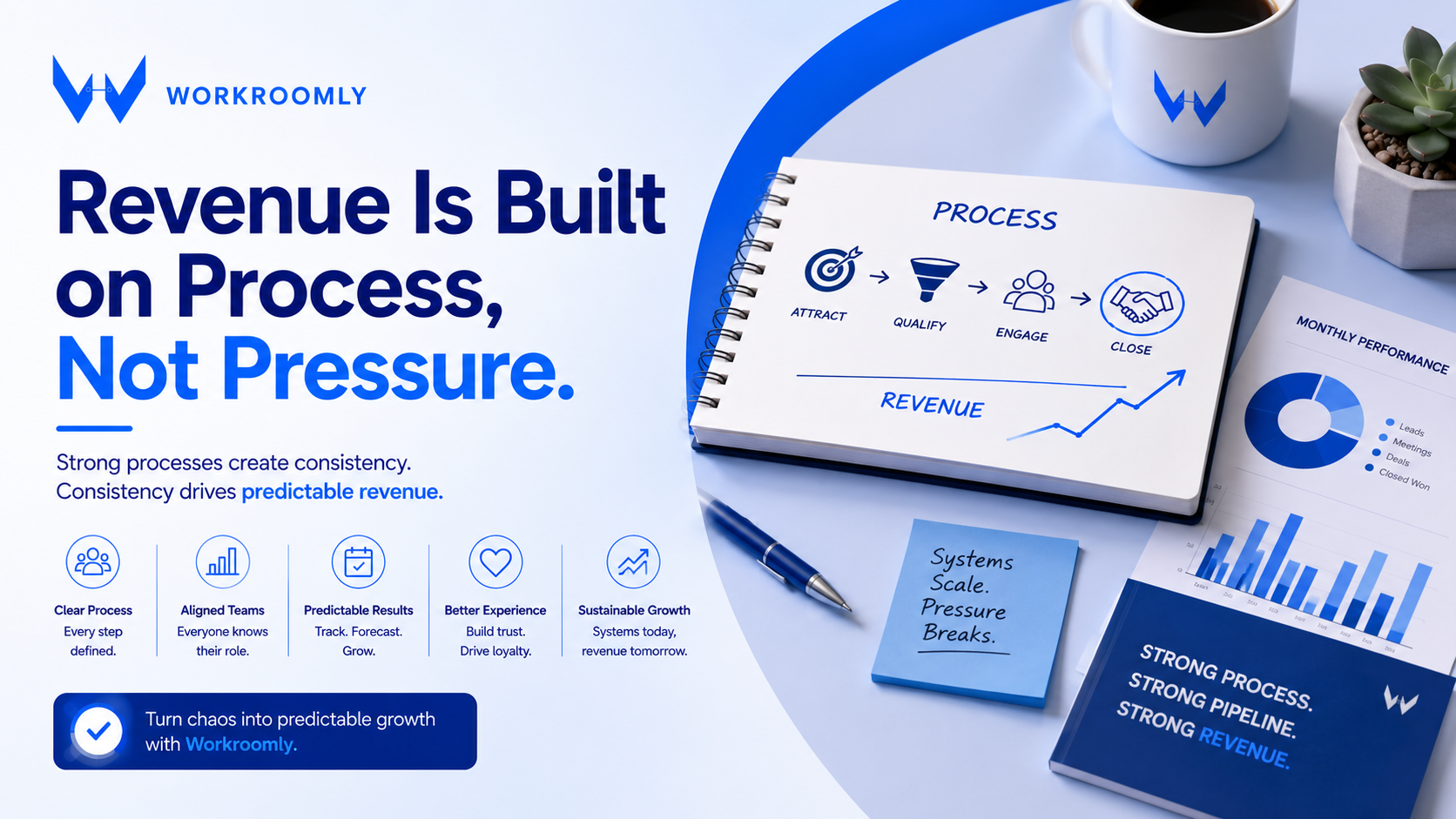
When these stages are clearly defined, your CRM becomes a live revenue map. You can instantly see how many deals are in progress, which stage they are stuck at, and how much revenue is expected to close this month.
Without this structure, the CRM becomes an unreliable mess that nobody trusts.
The Visibility Gap That Kills CRM Adoption
Most CRM failures share one root cause: the system is disconnected from daily execution.
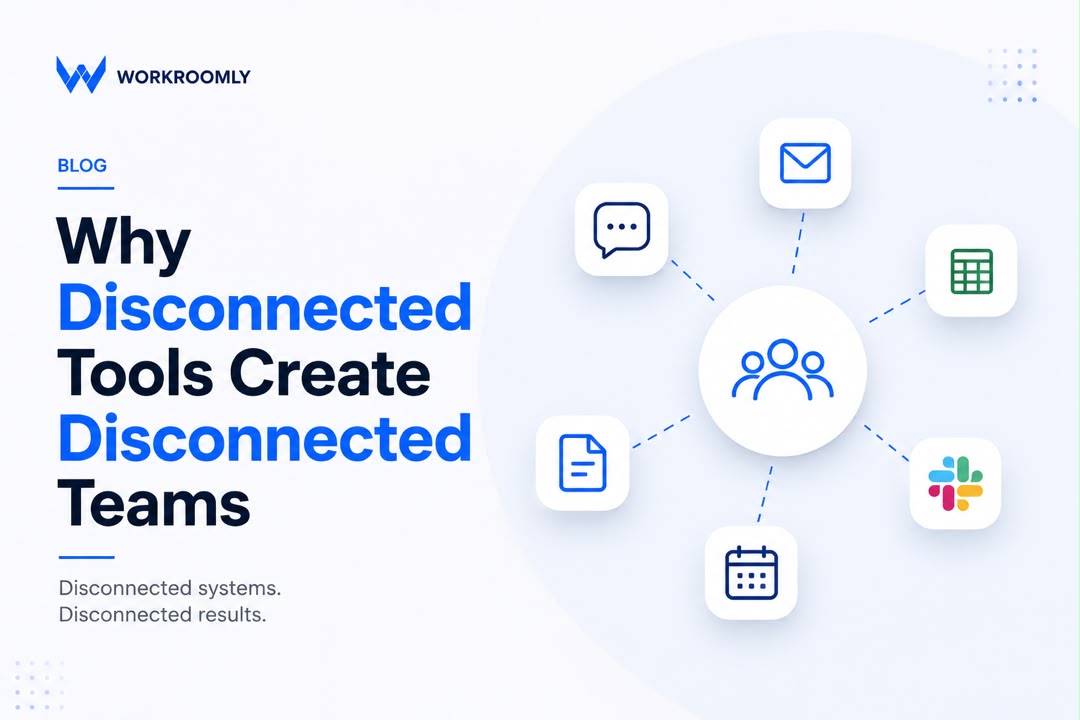
Sales conversations happen on calls. Decisions get made in meetings. Tasks live in someone's inbox. Revenue projections sit in spreadsheets. The CRM becomes an afterthought — a reporting tool that nobody fills in because it doesn't reflect how work actually happens.
For a CRM to drive real sales pipeline management, it must be connected to communication, tasks, and workflow progression. Otherwise, it will always feel optional — and anything that feels optional will eventually be ignored.
Define Your Process Before You Automate Anything
A common mistake is trying to automate chaos. Businesses rush to set up drip sequences, automated reminders, and pipeline triggers — before they have ever answered these fundamental questions:
- What qualifies a lead as worth pursuing?
- Who is responsible for each stage in the pipeline?
- What specific action moves a deal to the next stage?
- What does a closed deal actually look like?
Without clear answers, automation doesn't solve anything — it just accelerates the confusion. Automation should enhance a well-defined process. It should never be a substitute for one.
CRM Adoption Is a Culture Problem, Not a Software Problem
Even the most well-designed CRM will fail if your team does not see the value in using it. Adoption cannot be forced. It has to be earned — by making the CRM the natural place where work gets done.
When updating the CRM feels like extra admin on top of real work, resistance grows. But when the CRM is where decisions are logged, tasks are assigned, and client movement is tracked, it stops being a burden and becomes a tool people actually want to use.
The difference is integration. Separate the CRM from daily execution, and it becomes a reporting tool. Embed it into daily execution, and it becomes a competitive advantage.
Stop Asking "Which CRM?" — Start Asking "What Is Our Process?"
The shift most businesses need is not a new platform. It is a new mindset about sales pipeline management.
When your sales stages are clearly defined, the right system becomes obvious. When responsibilities are assigned at every stage, pipelines stay accurate. When your CRM is connected to how communication and execution actually happen, revenue becomes predictable — not just hopeful.
The most effective CRM setups are never the most complex. They are the most intentional.
Final Takeaway: Fix the Process, Then Let the Software Work
If your CRM is underperforming, resist the urge to switch platforms. Instead, pause and look inward:
- Are your pipeline stages clearly defined and agreed upon?
- Does every team member know their role at each stage?
- Is your CRM connected to how your team actually communicates and executes?
- Are you automating a clear process — or automating confusion?
A CRM cannot fix a fragmented sales process. It can only expose one. But when structure comes first — when your pipeline is intentional, your team is aligned, and your system reflects how work actually happens — the CRM stops being a database.
It becomes a revenue engine.
Build a Sales Pipeline That Actually Works
Workroomly CRM helps small businesses, startup founders, and marketing teams manage their entire pipeline — from first contact to closed deal — inside one connected workspace. No more switching between tools. No more deals falling through the cracks.
Start building a structured sales pipeline today: workroomly.com/crm