Strong client relationships rarely fail because of a single major mistake.
More often, they weaken gradually through a series of small breakdowns that go unnoticed.
A delayed response.
A missed follow-up.
An unanswered email.
A lack of communication.
An unmet expectation.
Individually, these moments may seem insignificant. Together, they erode trust—the foundation of every successful client relationship.
Many businesses focus heavily on acquiring new customers but invest far less effort in maintaining the relationships they already have. As a result, clients who were once excited to work with the business begin to disengage.
The reality is that client relationships do not break down overnight.
They break down when consistency disappears.
Communication Starts to Decline
Communication is often the first area where client relationships begin to weaken.
During the early stages of the relationship, communication is usually frequent and responsive. Questions are answered quickly, updates are provided regularly, and expectations are clearly managed.
As time passes, that level of communication often decreases.
Response times become longer.
Updates become less frequent.
Clients begin wondering whether their concerns are being heard.
Silence creates uncertainty.
Even when work is progressing as expected, poor communication can make clients feel neglected.
Consistent communication reassures clients that their business remains a priority.
Expectations Become Unclear
Many client frustrations begin with unclear expectations.
Promises are made without defining timelines.
Deliverables are discussed but not documented.
Responsibilities are assumed instead of confirmed.
When expectations are not aligned from the beginning, misunderstandings become inevitable.
Clients expect one outcome.
The business delivers another.
Neither side intentionally creates the problem, yet disappointment still occurs.
Clear expectations reduce confusion and build confidence throughout the relationship.
Follow-Ups Become Inconsistent
Following up is not only a sales activity.
It is a relationship-building activity.
Clients appreciate businesses that stay engaged beyond the initial agreement.
Checking in after project milestones.
Providing progress updates.
Confirming satisfaction.
Offering continued support.
These simple actions demonstrate commitment.
When follow-ups stop, clients may assume the business is only interested in winning the sale rather than supporting their long-term success.
Consistent follow-ups strengthen trust and encourage long-lasting partnerships.
Client Information Is Scattered
A common reason relationships suffer is poor information management.
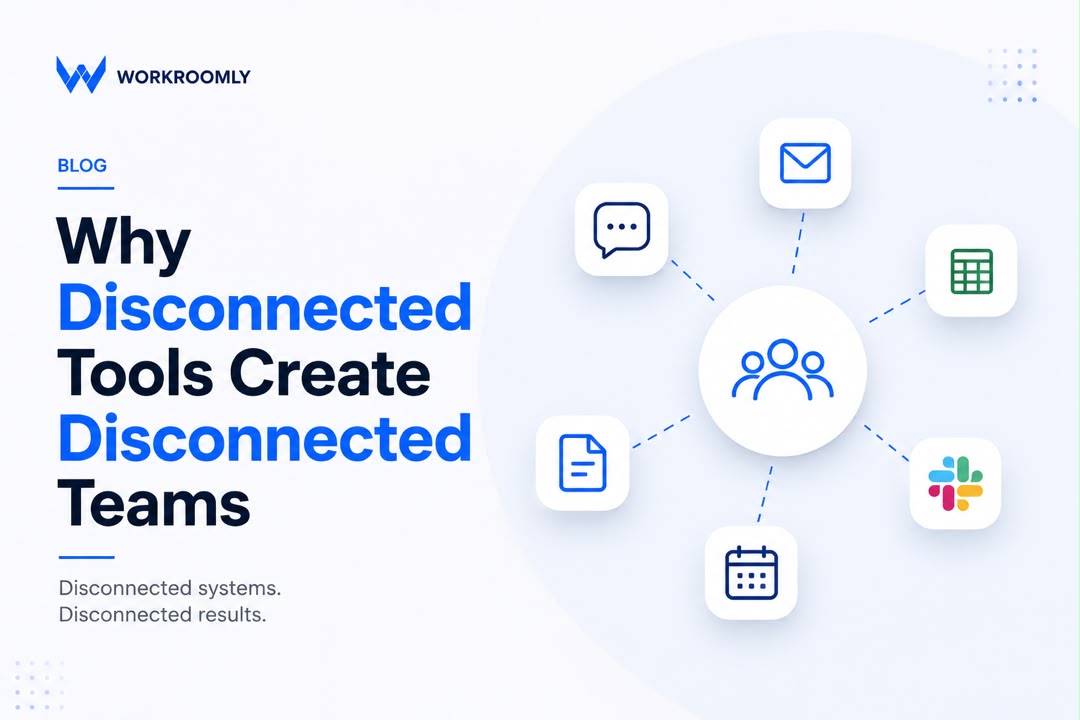
Customer details may be spread across emails, spreadsheets, messaging apps, and handwritten notes.
As a result:
- Team members ask clients for information they have already provided.
- Previous conversations are forgotten.
- Important requests are overlooked.
- Different employees provide conflicting responses.
This creates frustration for both clients and internal teams.
A centralized system for managing client information helps ensure every interaction builds on previous conversations instead of starting over.
Problems Are Addressed Too Late
No business is perfect.
Mistakes happen.
Delays occur.
Unexpected challenges arise.
Clients are generally understanding when businesses communicate openly and resolve issues quickly.
The real problem begins when businesses ignore concerns or wait too long before responding.
Small issues become larger frustrations.
Minor misunderstandings become damaged relationships.
The speed at which a business responds often matters as much as the solution itself.
Proactive problem-solving demonstrates accountability and professionalism.
Relationships Become Transactional
Businesses often lose strong client relationships when every interaction revolves around invoices, contracts, or sales.
Clients want more than transactions.
They want partnership.
Businesses that regularly share helpful insights, celebrate client successes, and look for opportunities to add value create stronger connections.
When customers feel genuinely supported, they are more likely to remain loyal and recommend the business to others.
Relationships grow stronger when clients believe the business is invested in their success—not just their payments.
Teams Lack Ownership
Client relationships often deteriorate when no one takes clear responsibility.
A client sends an email.
Everyone assumes someone else will reply.
A support request arrives.
It gets passed between departments.
A follow-up is forgotten because ownership is unclear.
This creates delays and inconsistency.
Assigning ownership ensures every client knows who is responsible for their experience.
Accountability builds confidence.
Confidence builds trust.
Building Stronger Client Relationships
Healthy client relationships require intentional systems.
Businesses can strengthen client retention by:
- Communicating consistently.
- Setting clear expectations from the beginning.
- Following up regularly.
- Centralizing client information.
- Responding quickly to concerns.
- Assigning clear ownership for every account.
- Looking for opportunities to create value beyond the original sale.
These practices transform client management from a reactive process into a proactive one.
Final Thoughts
Most client relationships do not fail because businesses lack expertise.
They fail because trust gradually weakens through inconsistent communication, unclear expectations, poor follow-ups, and disorganized processes.
Strong relationships are built through consistency.
Every conversation.
Every update.
Every follow-up.
Every commitment kept.
Businesses that prioritize communication, accountability, and structured client management create stronger partnerships, improve customer retention, and build lasting growth.
Because successful client relationships are not maintained by chance.
They are maintained through deliberate actions repeated consistently over time.