Every business wants more clients.
More leads. More sales. More growth.
But many businesses are losing money every day not because they cannot attract customers, but because they are not managing the customers they already have properly.
A potential client sends a message and receives no response for days. A proposal is sent, but no one follows up. A customer has a complaint, but the issue gets lost between different team members, emails, and chat groups.
At first, these may look like small mistakes.
But over time, they become expensive.
Poor client management does not only affect customer satisfaction. It affects revenue, reputation, team productivity, and the ability of a business to grow.
Missed Follow-Ups Lead to Lost Revenue
Many sales opportunities are not lost because a customer was not interested.
They are lost because nobody followed up.
A lead may request more information, attend a meeting, or even receive a proposal. But when there is no system to track the next step, the conversation can easily go cold.
The business moves on to new leads while the old ones are forgotten.
This creates a silent revenue leak.
Businesses may spend money on marketing, advertising, and lead generation, only to lose potential customers because there was no proper follow-up process in place.
Poor Communication Reduces Customer Trust
Clients want to feel seen, valued, and supported.
When they have to repeat their concerns to different team members, wait too long for responses, or receive unclear updates, they begin to lose confidence in the business.
Trust is not built only through a good product or service.
It is also built through communication.
A client who receives timely updates, clear responses, and consistent support is more likely to remain loyal. But when communication is poor, even a satisfied client may begin to look for another provider.
Teams Become Confused and Work Gets Repeated
Poor client management also creates internal problems.
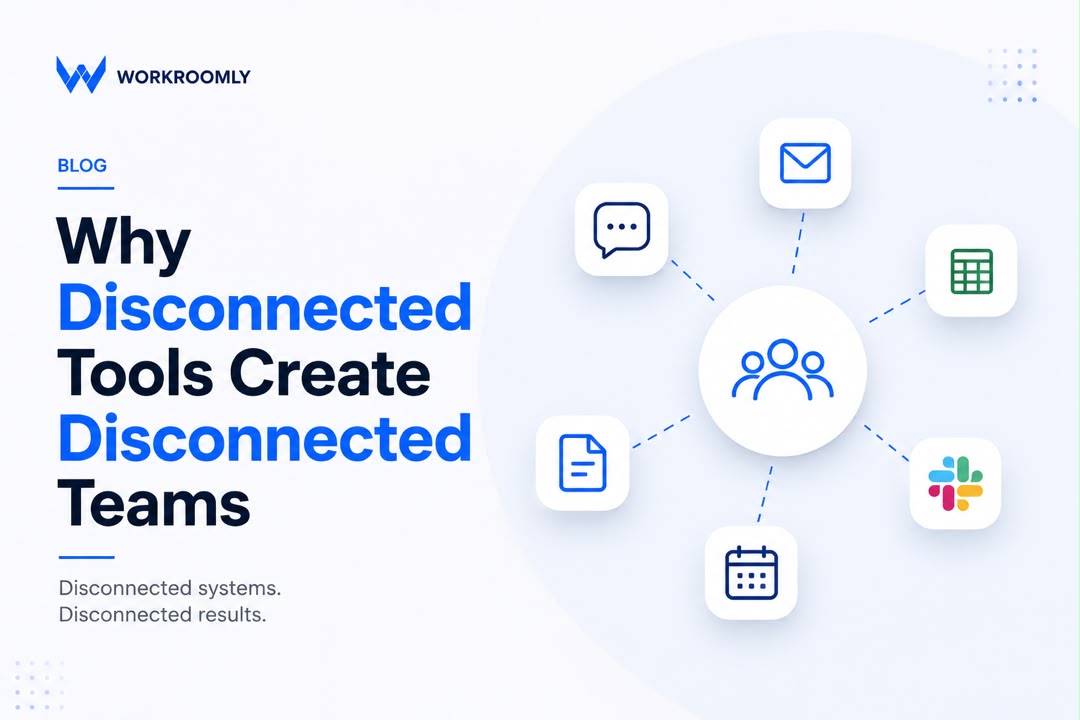
Without a central place to store client information, team members may not know:
- Who is responsible for a client
- What has already been discussed
- Whether a follow-up has been sent
- What stage the client is currently in
- What action should happen next
This leads to duplicated work, missed tasks, and confusion.
One team member may send a message that another person has already sent. Another may promise something without knowing the client has an unresolved issue.
Instead of working efficiently, the team spends time searching for information and trying to understand what happened.
Customer Retention Becomes Difficult
Getting a new customer can be expensive.
Keeping an existing customer is often more valuable.
However, poor client management can push customers away.
When customers feel ignored, forgotten, or unsupported, they may stop using the service without even explaining why. They may also share their negative experience with others.
This affects customer retention and can damage the business's reputation.
A business that loses clients regularly will always be under pressure to find new ones.
Growth Starts to Feel Chaotic
A small business may be able to manage a few clients through WhatsApp messages, emails, notes, and memory.
But as the business grows, that approach becomes difficult to maintain.
More clients mean more conversations, more tasks, more follow-ups, and more responsibilities.
Without a structured client management process, growth can create chaos instead of progress.
The business may have more customers but still struggle with missed deadlines, poor communication, and disorganized teams.
How Better Client Management Helps
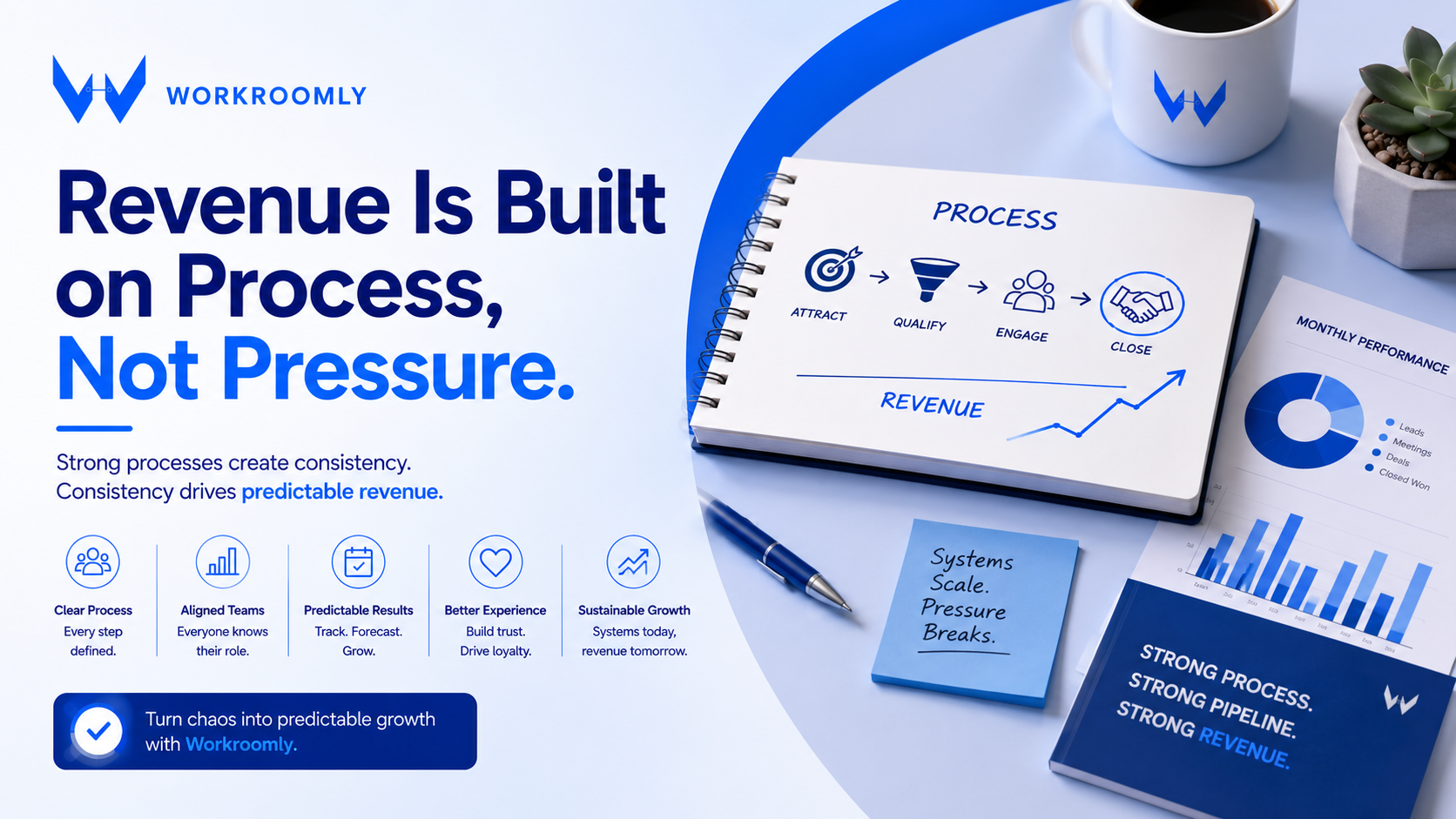
Strong client management gives businesses a clearer view of every customer relationship.
It helps teams know who the client is, what they need, what has been discussed, and what should happen next.
A good client management system can help businesses:
- Track leads and follow-ups
- Keep customer information in one place
- Assign responsibilities to team members
- Improve communication
- Reduce missed opportunities
- Build stronger customer relationships
- Improve retention and long-term revenue
Final Thoughts
Poor client management may not look like a major problem at first.
But it can quietly affect every part of a business.
It can lead to lost revenue, unhappy clients, confused teams, and slow growth.
Businesses that want to grow sustainably need more than new customers.
They need a reliable system for managing the customers they already have.
Because every missed follow-up, delayed response, and forgotten conversation can come at a cost.