For many businesses, a CRM is not just a tool.
It is where leads are stored.
Where client relationships are managed.
Where deals are tracked.
It sits at the center of daily operations.
Which is why, when it fails, the impact is immediate — and often serious.
When a System Goes Down, Work Doesn’t Just Pause
At first, a CRM failure may seem like a temporary inconvenience.
A delay.
A glitch.
A momentary disruption.
But in reality, the effects go deeper.
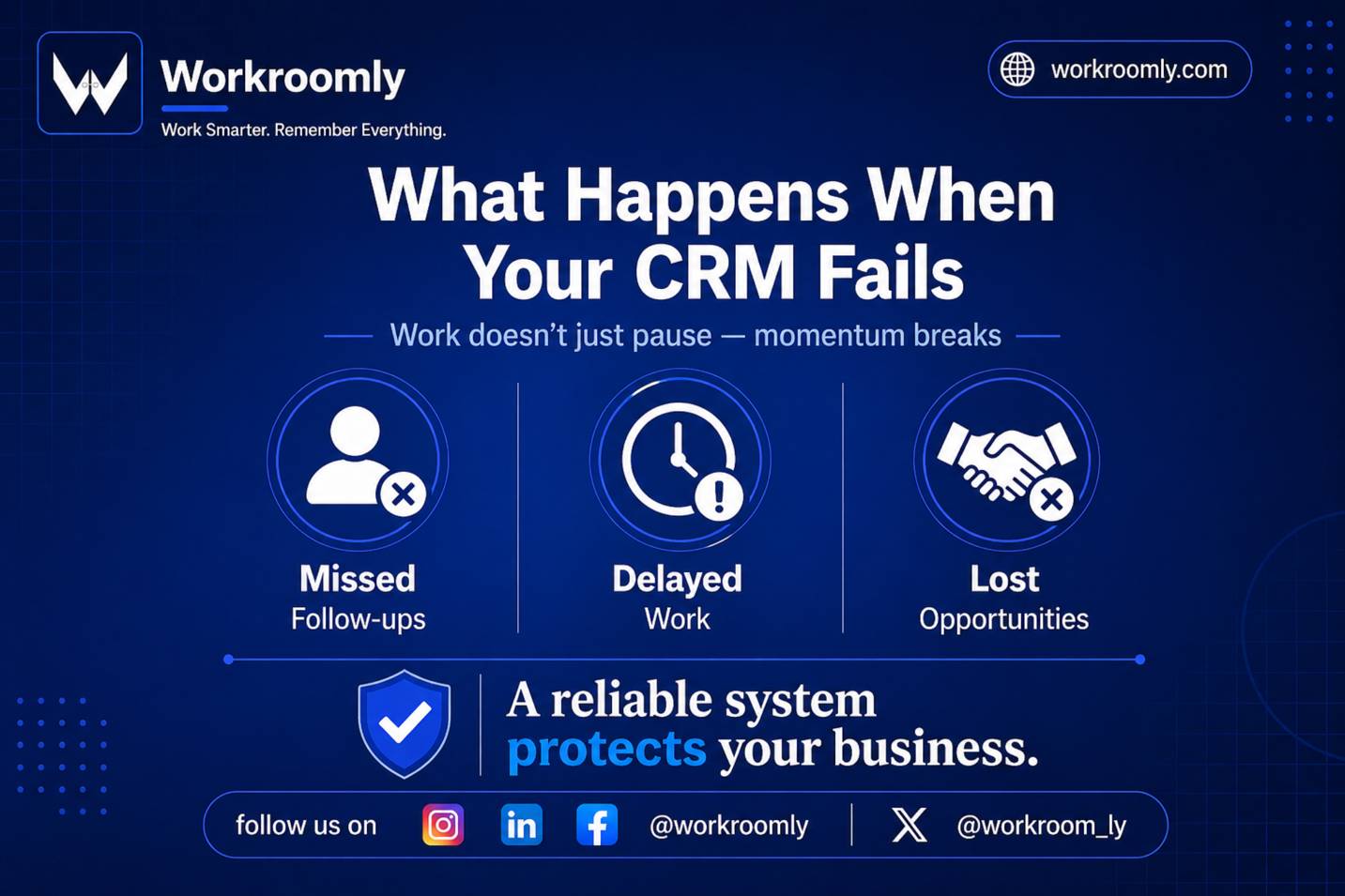
Leads that require immediate follow-up are left unattended.
Ongoing conversations lose context.
Teams are unable to track what has been done and what still needs attention.
The workflow breaks.
And when the workflow breaks, so does momentum.
The Hidden Cost of CRM Failure
The most obvious impact is operational.
Teams cannot access client data.
Tasks cannot be tracked.
Deals cannot be updated.
But the real cost is not just internal.
It is external.
Clients experience delays.
Responses become inconsistent.
Opportunities begin to slip.
Over time, this affects how your business is perceived.
Reliability becomes questionable.
Trust begins to weaken.
And once trust is affected, recovery becomes much harder than prevention.
Why CRM Failures Happen
In many cases, failure is not sudden. It builds over time.
Some systems are not designed to handle growth.
Others are tested in controlled environments, but not under real user pressure.
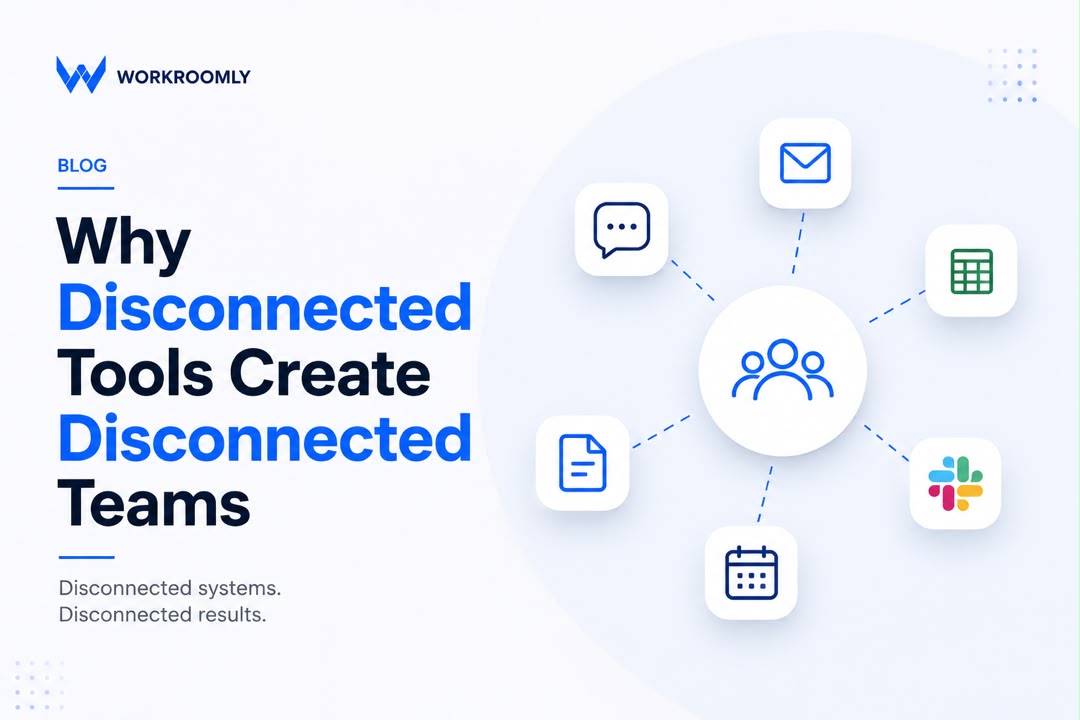
Sometimes, multiple disconnected tools create dependencies that increase the chances of breakdown.
There are also moments when high activity — such as campaigns, large volumes of leads, or simultaneous usage — exposes weaknesses in the system.
The issue is not just the presence of a CRM.
It is whether that CRM is built to support real, continuous operations.
The Risk of Relying on Unproven Systems
This is where many businesses become cautious.
They have seen platforms fail before.
They have experienced downtime without clear communication.
They have lost access to important data, even if temporarily.
So when considering a new system, the question is no longer just:
“What does it do?”
But rather:
“Can I rely on it?”
That question defines adoption.
How to Prevent CRM Failure
Prevention is not about avoiding technology.
It is about choosing and using it wisely.
Build for Real Usage, Not Assumptions
A system should be tested under real conditions — with real users, real data, and real activity.
This helps identify weaknesses before they affect operations.
Prioritize Stability Over Features
A system with many features but low reliability creates risk.
Consistency matters more than complexity.
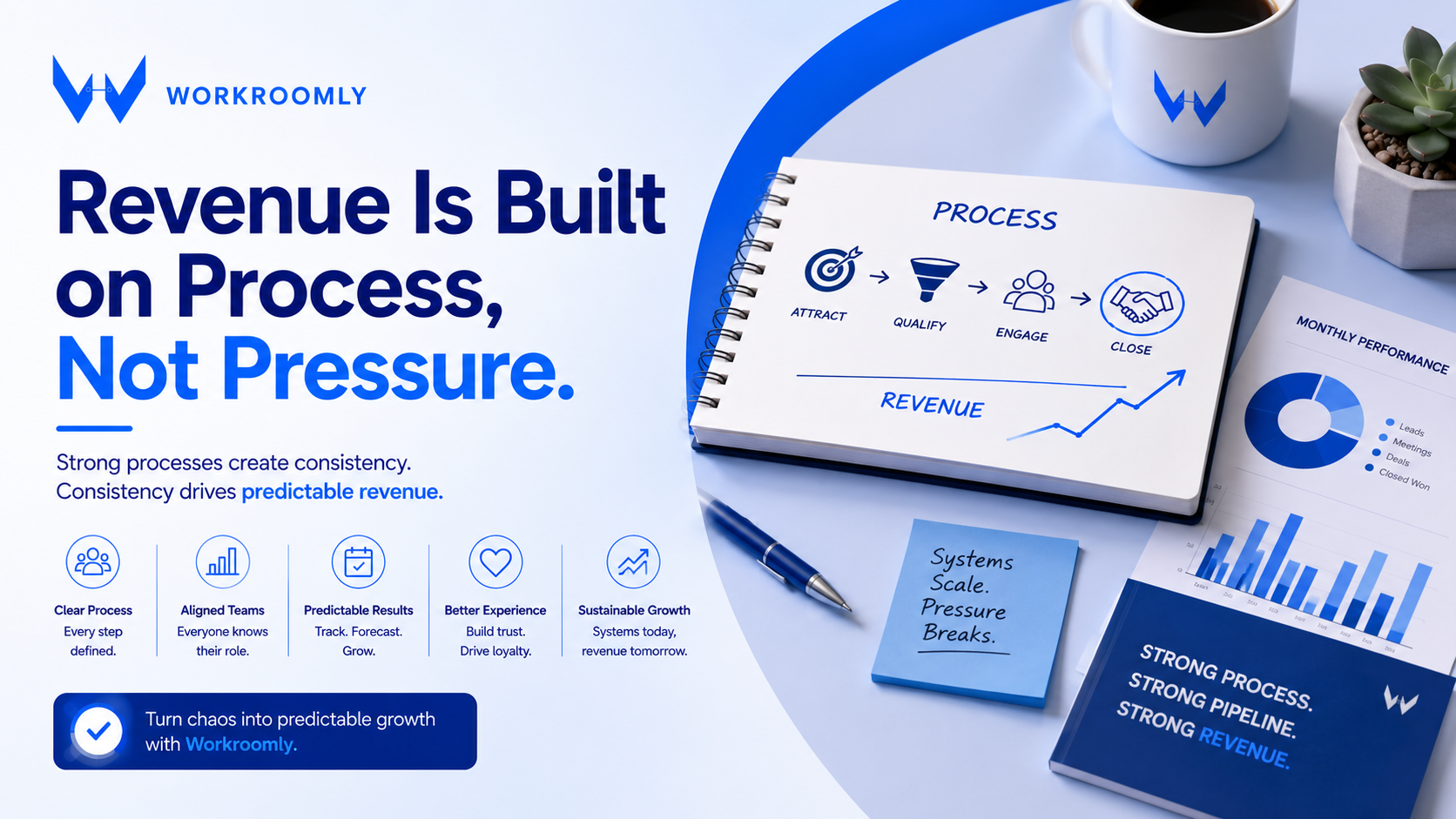
Ensure Clear Structure
When processes are well-structured, even disruptions can be managed more effectively.
Teams know what to do, where to look, and how to recover.
Plan for Continuity
Every system should have a plan for unexpected situations.
Clear communication.
Reliable support.
A defined recovery process.
These are not optional — they are essential.
Moving Toward Systems You Can Trust
The conversation around CRM is changing.
Businesses are no longer impressed by features alone.
They are looking for systems that are dependable — systems that can support their operations without introducing risk.
This is why modern solutions are focusing not just on functionality, but on stability, structure, and connected workflows.
Platforms like Workroomly reflect this shift, where the goal is not only to manage clients, but to ensure that the entire process — from lead capture to follow-up and execution — remains reliable and coordinated within one system.
Conclusion
A CRM failure is not just a technical issue.
It is a business risk.
It affects how teams operate, how clients are managed, and how trust is built over time.
Preventing that failure requires more than choosing a tool.
It requires choosing a system that is designed for real work, real usage, and real responsibility.
Because at the end of the day, a CRM is not just where your data lives.
It is where your business operates.