Modern business is not short on effort.
Teams are responding to clients, holding meetings, sending proposals, and trying to stay on top of everything. Yet, despite all this activity, opportunities still slip through the cracks.
Not because people are careless but because the system is.
In many cases, client management is still scattered.
A conversation happens in one place.
A follow-up is written somewhere else.
Important details are buried in emails, chats, or even memory.
At a small scale, this might work. But as your business grows, it becomes difficult to maintain.
Leads get forgotten. Follow-ups become inconsistent.
Decisions are delayed.
And over time, growth begins to slow not due to lack of effort, but lack of structure.
This is where a CRM becomes essential.
What a CRM Really Does
A CRM, or Customer Relationship Management system, is often misunderstood as just a database for storing contacts.
In reality, it does much more.
A CRM creates a structured way to manage every interaction with your clients from the first point of contact to the final outcome.
At any moment, it helps you clearly answer three important questions:
- Who is this client?
- What stage are they in?
- What needs to happen next?
Instead of relying on memory or scattered tools, everything is organized in one place, making it easier to track progress and take action.
From Scattered Information to Structured Clarity
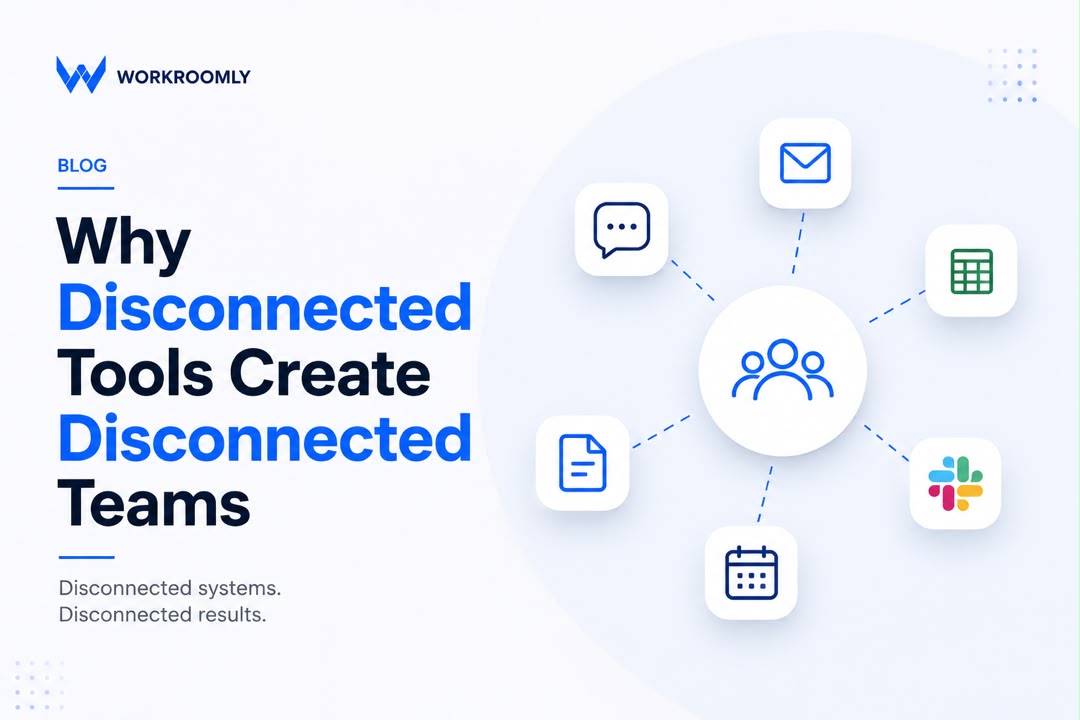
Without a CRM, information tends to be fragmented.
A client’s message might be in a chat application.
Their deal status might be in a spreadsheet.
Their last interaction might only exist in someone’s memory.
This creates confusion and slows down decision-making.
A CRM brings all of this together.
Each client has a clear profile.
Every interaction is recorded.
Every stage in the process is visible.
This level of clarity helps teams stay aligned and ensures nothing important is overlooked.
Turning Conversations Into Action
One of the most valuable roles of a CRM is its ability to connect communication with execution.
A conversation with a client should not end with “we’ll get back to you.”
It should lead to a defined next step.
With a CRM, teams can assign tasks, set reminders, and schedule follow-ups directly from interactions. This ensures that every conversation moves the relationship forward instead of getting lost.
Improving Consistency and Follow-Up
Many opportunities are lost not because of a lack of interest, but because of poor follow-up.
A CRM helps eliminate this problem by creating a system for consistent engagement.
Every lead is tracked.
Every follow-up is planned.
Every opportunity is given attention.
Over time, this consistency strengthens relationships and improves conversion rates.
Visibility That Drives Better Decisions
When all client activity is visible in one place, it becomes easier to make informed decisions.
You can quickly identify which deals are progressing, which ones are stalled, and where your attention is needed most.
This visibility removes guesswork and allows teams to focus on actions that drive results.
Why Your Business Needs One
As your business grows, managing clients manually becomes increasingly difficult.
More leads mean more conversations.
More conversations mean more follow-ups.
More follow-ups mean more chances for things to be missed.
A CRM provides the structure needed to handle this complexity.
It ensures that every lead is accounted for, every interaction is tracked, and every opportunity has a clear path forward.
From Effort to System
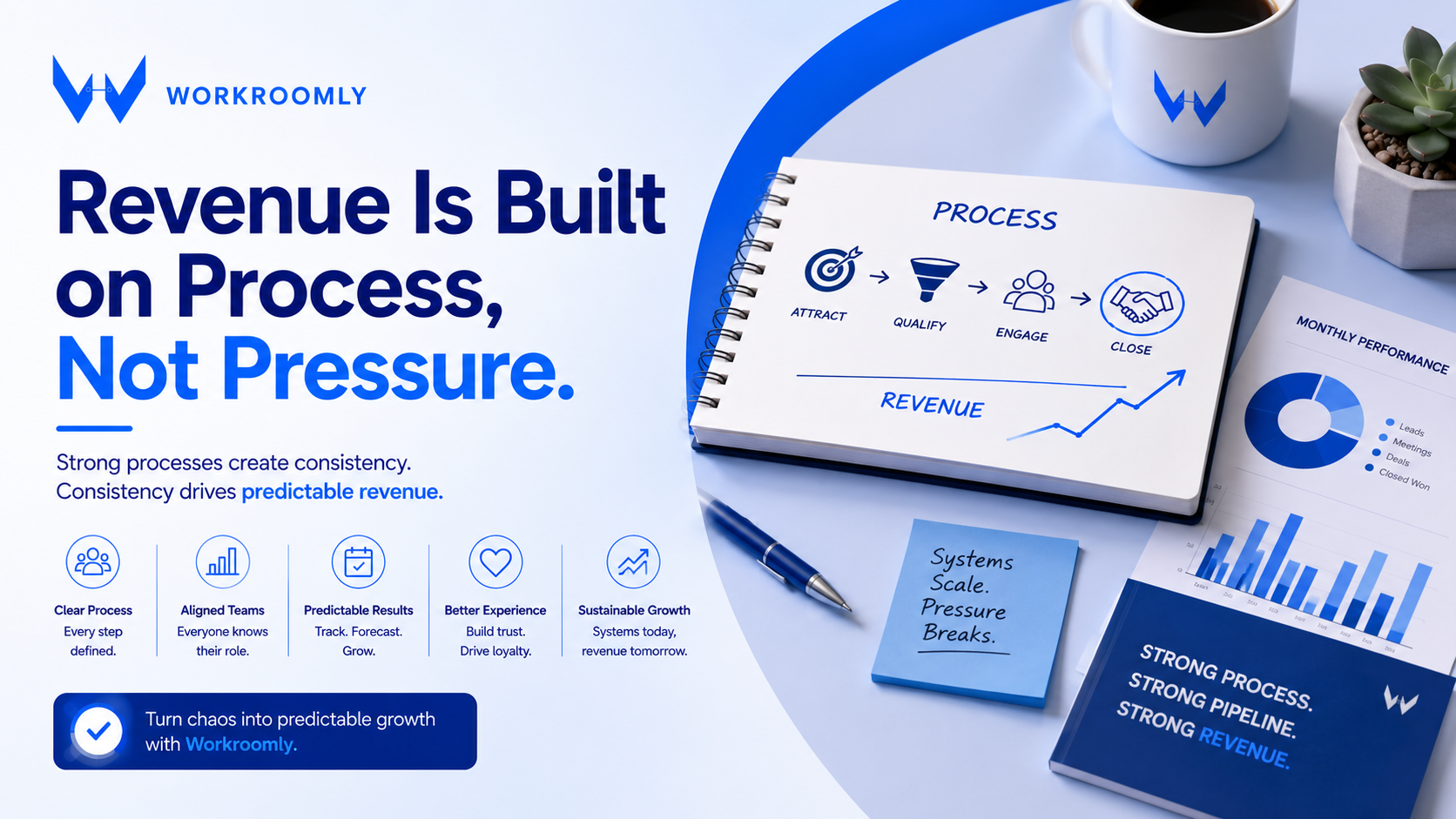
Many teams work hard, but without a system, their results remain inconsistent.
A CRM shifts the focus from individual effort to a repeatable process.
It creates a reliable way of working one that does not depend on memory, but on a structured system that supports consistency and growth.
A Shift Toward Connected Workflows
Today, businesses are moving beyond using separate tools for communication, task management, and client tracking.
Instead, they are adopting connected systems where everything works together.
In this kind of environment, a CRM becomes more than just a tracking tool. It becomes part of a larger workflow — where conversations lead to actions, and actions lead to outcomes.
This is the direction modern platforms are moving toward, including solutions like Workroomly, where client management is integrated with meetings, workflows, and execution within one unified system.
Conclusion
A CRM is not just about storing contacts.
It is about creating structure, improving visibility, and ensuring that every client interaction leads somewhere meaningful.
It helps businesses move from scattered processes to organized workflows, from inconsistent follow-ups to intentional actions, and from missed opportunities to measurable growth.
Because in the end, managing clients is not just about keeping records.
It is about building relationships and having a system that supports them.