Every business wants more customers.
More leads. More meetings. More sales.
Yet many businesses are leaking revenue every day—not because they struggle to attract clients, but because they struggle to manage the clients they already have.
A prospect requests a proposal, and nobody follows up. A client asks for an update, and the message gets buried in an email thread. A customer issue goes unresolved because no one knows who is responsible for handling it.
These moments may seem small, but over time they create a much larger problem.
Poor client management is one of the most expensive mistakes a business can make, and the true cost often remains hidden until growth begins to slow, customers begin to leave, and opportunities start slipping away.
Lost Revenue Opportunities
The most obvious cost of poor client management is lost revenue.
When client information is scattered across spreadsheets, emails, chat messages, and notebooks, important opportunities are easily missed.
A potential customer who was ready to buy may never receive a follow-up.
An existing client who wanted additional services may never be contacted.
A proposal may sit unanswered because nobody remembered to check in.
The result is not just a lost sale. It is lost revenue that could have contributed to growth, expansion, and long-term business stability.
Many businesses spend significant resources generating leads while unknowingly losing opportunities that are already within reach.
Declining Customer Trust
Trust is built through consistency.
Customers want to know that when they reach out, someone will respond. When they ask questions, they will receive answers. When they make commitments to your business, your business will honor its commitments in return.
Poor client management creates the opposite experience.
Clients receive delayed responses.
Conversations become fragmented.
Important details are forgotten.
The customer is forced to repeat information multiple times.
Eventually, confidence begins to decline.
Even if your product or service is excellent, a poor management experience can leave customers questioning whether they should continue doing business with you.
Trust takes time to build but can be lost very quickly.
Internal Confusion and Operational Chaos
Poor client management affects more than customers. It also affects the people inside your organization.
Without a clear system, teams often spend valuable time searching for information rather than acting on it.
Questions become common:
- Who owns this account?
- Has anyone followed up with this client?
- Where is the latest proposal?
- What was discussed during the last meeting?
When answers are difficult to find, productivity suffers.
Work gets duplicated.
Tasks fall through the cracks.
Employees become frustrated.
As the business grows, the confusion grows with it.
What may seem manageable with five clients becomes overwhelming with fifty.
Increased Customer Churn
Customer acquisition is expensive.
Retaining customers is often far more cost-effective than constantly finding new ones.
However, poor client management pushes customers away.
When customers feel ignored, undervalued, or unsupported, they begin exploring alternatives.
Competitors that provide a more organized and responsive experience become increasingly attractive.
Over time, businesses find themselves trapped in a cycle of replacing customers rather than retaining them.
The effort required to recover from high customer churn is often far greater than the effort required to prevent it.
Growth Becomes Difficult to Sustain
Many businesses can operate informally during their early stages.
Information lives in the founder's memory.
Processes are handled manually.
Communication happens organically.
But growth changes everything.
As more clients enter the system, relying on memory becomes impossible.
Without structure, every new customer introduces additional complexity.
Teams struggle to maintain consistency.
Managers lose visibility.
Decision-making becomes reactive instead of strategic.
Growth should create momentum.
Poor client management turns growth into chaos.
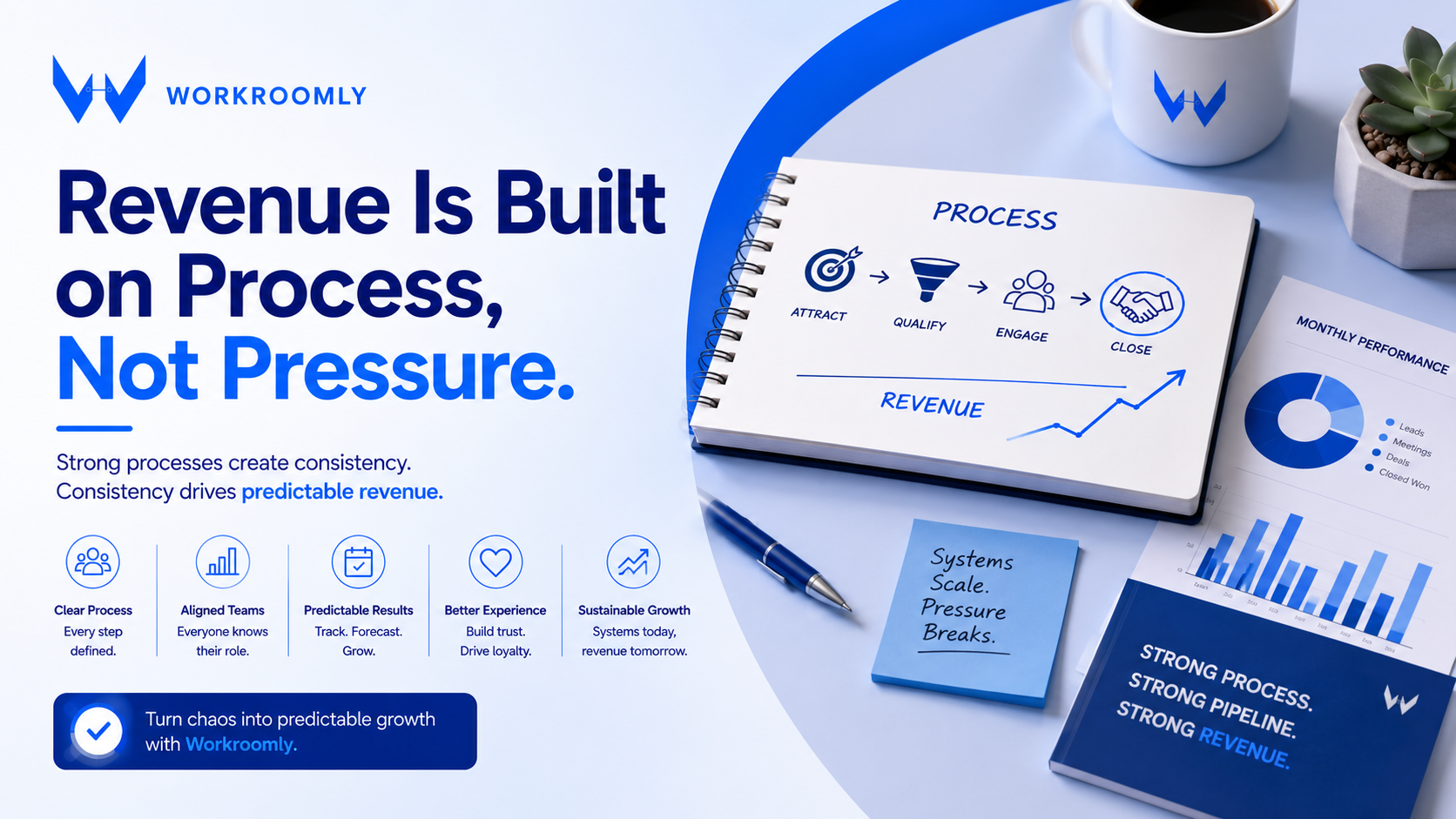
Building a Better Client Management System
The solution is not necessarily working harder.
The solution is creating systems that make it easier to manage relationships effectively.
Businesses that manage clients successfully typically have:
- A centralized location for customer information
- Clear ownership of accounts and responsibilities
- Consistent communication processes
- Visibility into every stage of the customer journey
- Reliable follow-up systems
When client information is organized and accessible, teams spend less time searching and more time serving customers.
Relationships become stronger.
Retention improves.
Growth becomes more sustainable.
Final Thoughts
Poor client management rarely causes immediate damage.
Instead, it creates a series of small inefficiencies that compound over time.
A missed follow-up becomes a lost sale.
A delayed response becomes a dissatisfied customer.
A forgotten conversation becomes a broken relationship.
The businesses that thrive are not always the ones with the most customers.
Often, they are the ones that manage their customers the best.
Because in the long run, client management is not simply an operational task it is a growth strategy.