Modern businesses rely heavily on sales pipelines to track opportunities, forecast revenue, and guide decision-making. On the surface, most organizations appear to have this figured out. They have defined stages, visual dashboards, and tools that display deals moving from one phase to another.
Yet despite having these systems in place, many teams still struggle with inconsistent revenue, missed follow-ups, and unclear sales visibility.
The issue is rarely the absence of a pipeline.
It is how the pipeline is being used.
The Illusion of Having a Sales Pipeline
For many businesses, setting up a pipeline feels like progress. Stages are created. Deals are added. Dashboards begin to populate with activity.
At a glance, everything looks structured.
But a pipeline that exists visually is not the same as a pipeline that functions operationally.
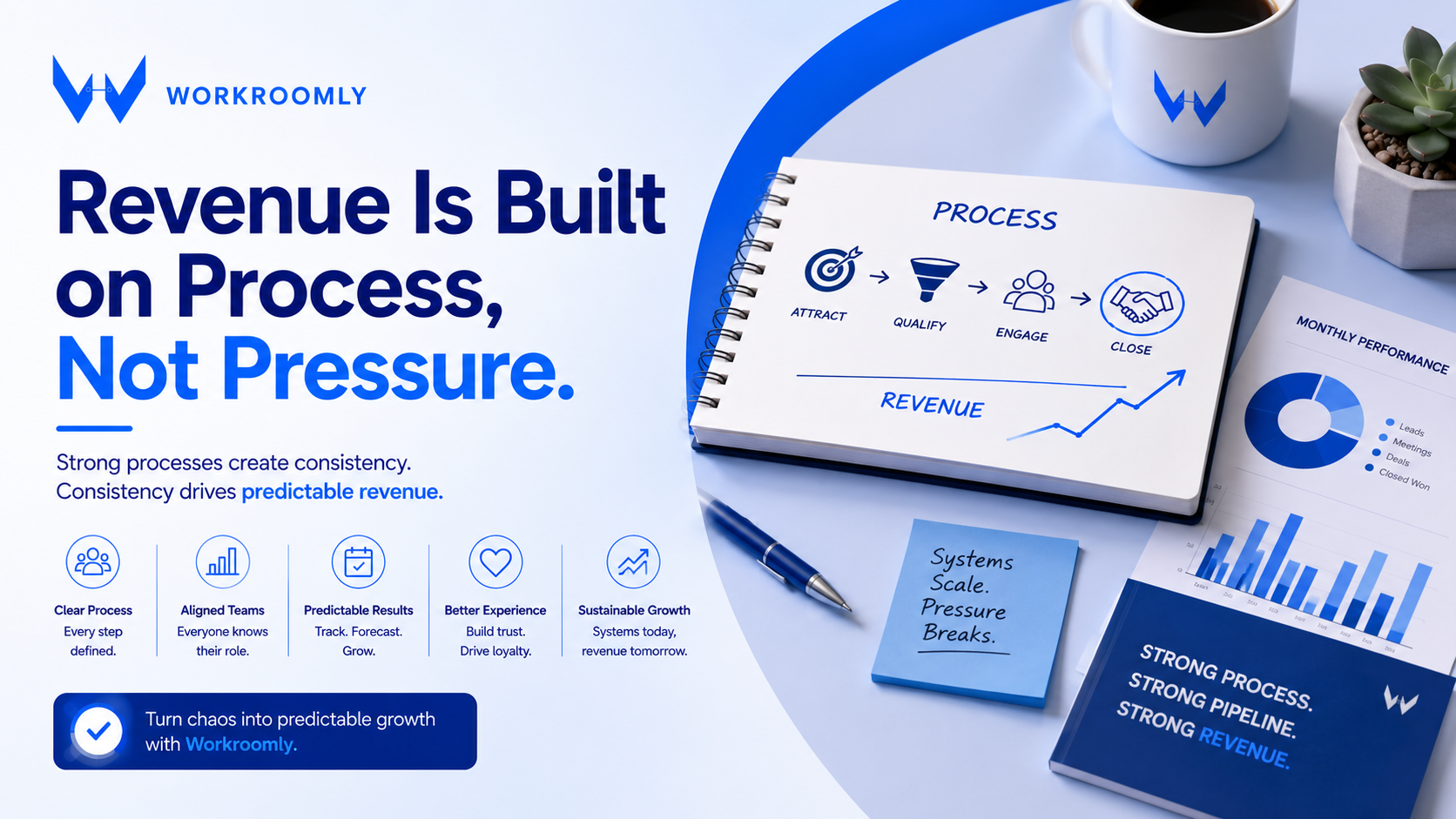
A true sales pipeline is not just a sequence of stages. It is a reflection of how work actually moves from initial contact to closed deal. It should mirror real conversations, real decisions, and real next steps.
When a pipeline becomes nothing more than a static representation of deals, it creates the illusion of control without delivering actual clarity.
The Biggest Mistake: Treating Pipelines as Static
The most common mistake businesses make is treating their sales pipeline as a static dashboard rather than a living system.
In many teams, pipelines are updated after activities happen instead of during them. Sales calls take place, client conversations evolve, and decisions are made — but the pipeline only gets updated later, often inconsistently.
Over time, this creates a gap between reality and representation.
- Deals sit in stages longer than they should.
- Opportunities appear active when they are already cold.
- Follow-ups are missed because they are not tied to clear next actions.
When a pipeline is not actively maintained in real time, it stops being a decision-making tool and becomes a historical record.
And historical records do not drive revenue forward.
Disconnection Between Sales and Execution
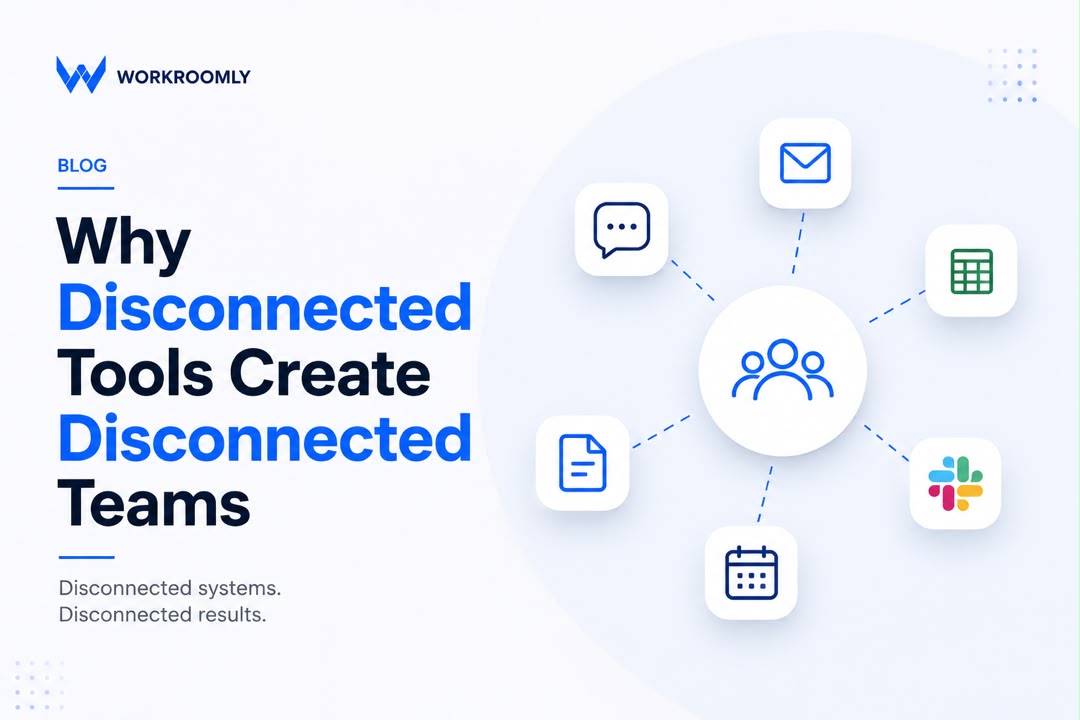
Another major issue is the disconnect between sales activity and execution systems.
In many organizations, sales conversations happen in one place, tasks are managed in another, and client information lives somewhere else entirely. The pipeline exists separately from all of these.
This fragmentation breaks continuity.
A meeting might end with clear next steps, but those steps are not directly connected to the pipeline. A follow-up may be discussed, but not assigned. A client request may be acknowledged, but not tracked.
As a result, the pipeline does not reflect the true state of engagement.
Without connection between communication and execution, pipelines lose their ability to guide action.
Lack of Clear Stage Definitions
A pipeline is only as strong as the clarity behind its stages.
In many businesses, stages like "Qualified," "In Progress," or "Negotiation" exist — but their meanings are vague. Different team members interpret them differently, and deals are moved based on assumption rather than defined criteria.
This lack of consistency creates confusion.
Two deals in the same stage may be at completely different levels of readiness. Forecasts become unreliable because there is no shared understanding of what each stage represents.
A well-structured pipeline requires clear definitions.
Each stage should answer a simple question: what must be true for a deal to move forward?
Without that clarity, the pipeline becomes subjective.
No Ownership, No Accountability