Aligning Your Client Pipeline with Your Workflow
In many businesses, the client pipeline and the actual workflow operate as two separate systems.
On one side, there is a pipeline that tracks leads and deals, showing stages like “New,” “In Progress,” or “Closed.”
On the other, there is the day-to-day execution of work: tasks, meetings, follow-ups, and deliverables.
Individually, both systems may function.
But when they are not aligned, something critical is lost.
Clarity.
The Disconnect Most Teams Overlook
At first glance, a pipeline appears to provide structure. It shows where each client stands and gives a sense of progress.
But in reality, many pipelines are disconnected from the actual work being done.
A deal may sit in a “Negotiation” stage, but the tasks required to move it forward are not clearly defined.
A client may be marked as “Active,” yet there is no visible workflow guiding what should happen next.
This disconnect creates a gap between visibility and execution.
Teams can see where things are, but not how to move them forward.
Why Alignment Matters
A pipeline is not just a tracking tool. It is meant to guide action.
When a pipeline is properly aligned with workflow, each stage represents more than a label — it reflects a set of actions, responsibilities, and outcomes.
For example, moving a client from “Qualified” to “Proposal Sent” should not happen based on assumption. It should happen because specific steps have been completed: a meeting held, requirements gathered, and a proposal created.
Alignment ensures that every stage in the pipeline corresponds to real progress in the workflow.
Without this connection, pipelines become passive.
With it, they become operational.
Turning Pipeline Stages Into Actionable Steps
The first step in aligning your pipeline with your workflow is to redefine what each stage means.
Every stage should answer two key questions:
- What has been completed?
- What needs to happen next?
This removes ambiguity.
Instead of vague transitions, movement through the pipeline becomes intentional. Teams no longer guess when to move a deal forward. They follow a structured path.
This approach transforms the pipeline from a visual board into a system that drives execution.
Connecting Conversations, Tasks, and Progress
Alignment also requires that conversations are directly linked to workflow actions.
When a meeting takes place, the outcome should not disappear into memory or scattered notes. It should immediately translate into tasks, follow-ups, or next steps within the system.
This creates continuity:
- A conversation leads to action
- Action leads to progress
- Progress moves the pipeline forward
When this loop is maintained, nothing gets lost.
Visibility That Drives Accountability
When pipelines and workflows are aligned, visibility improves significantly.
Teams can clearly see not just where a client is, but what is being done to move them forward. Managers can identify bottlenecks. Individuals know their responsibilities.
This level of visibility creates accountability.
- Every deal has an owner
- Every stage has defined actions
- Every next step is visible
Without alignment, responsibility is unclear. With alignment, execution becomes consistent.
From Fragmented Work to Structured Flow
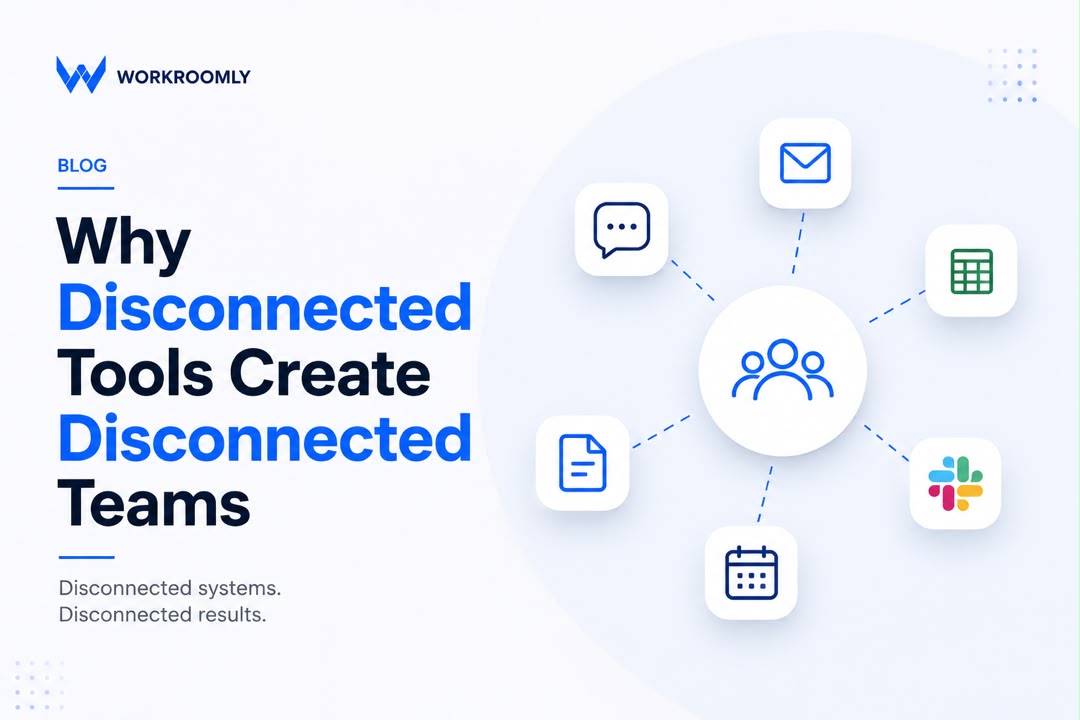
Many businesses struggle because their tools are fragmented.
Pipelines exist in one system. Tasks are managed in another. Communication happens elsewhere. As a result, alignment becomes difficult to maintain.
The more disconnected the tools, the harder it is to ensure that pipeline stages reflect actual work.
This is why modern workflows are shifting toward connected systems where pipelines, tasks, meetings, and client data exist within a unified environment.
In such systems, alignment is not something you enforce manually.
It happens naturally.
Conclusion
Aligning your client pipeline with your workflow is not about adding more tools or increasing effort.
It is about creating a clear connection between what you track and what you do.
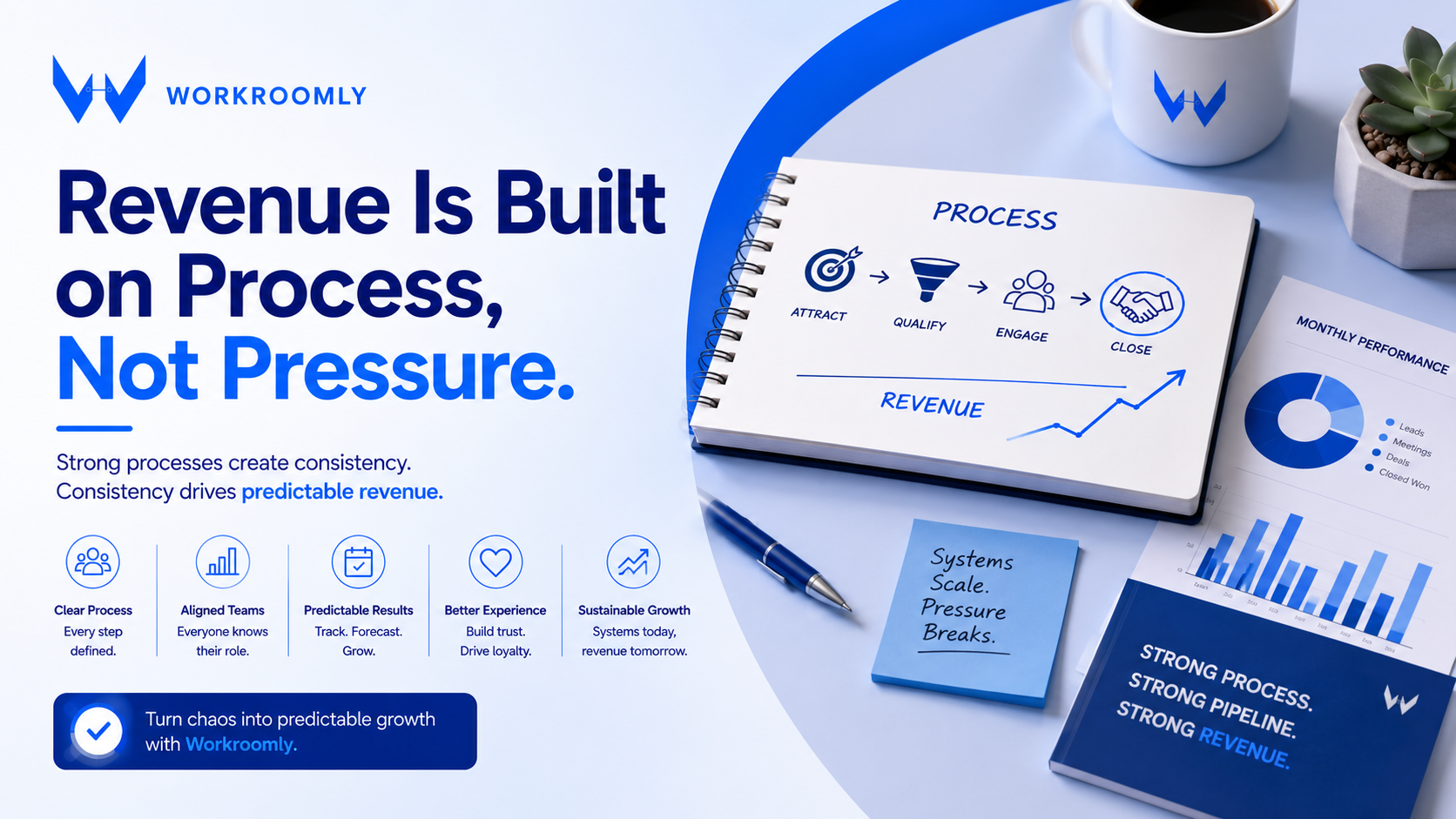
When every stage in your pipeline reflects real actions, and every action moves a deal forward, your sales process becomes structured, predictable, and efficient.
This is the shift many businesses are beginning to make — moving from disconnected systems to integrated workflows that support real progress. Solutions like Workroomly are designed around this idea, where pipelines are not just for tracking clients, but for coordinating the entire journey from first interaction to final outcome.
Because ultimately, a pipeline should not just show progress.
It should create it.