In many businesses, generating leads is not the problem.
There is no shortage of inbound inquiries, marketing campaigns, or outreach efforts designed to bring potential customers into the system. On paper, everything looks promising. Leads are coming in, conversations are happening, and opportunities seem to be forming.
Yet somewhere between the first interaction and the final transaction, momentum is lost.
Leads stall. Follow-ups fade. Deals that once looked promising quietly disappear.
The issue is not effort.
It is the absence of a structured pipeline that is designed to convert.
The Gap Between Leads and Revenue
A lead represents potential. Revenue represents outcome.
What happens in between is where most businesses struggle.
Many teams operate with loosely defined processes. A lead comes in, a conversation happens, and then the next step depends on individual memory or initiative. Without a clear structure guiding what should happen next, progress becomes inconsistent.
Some leads receive immediate attention. Others are delayed. Some are nurtured effectively. Others are forgotten entirely.
Over time, this inconsistency creates a gap between activity and results.
And that gap is where revenue is lost.
Why Most Pipelines Don't Convert
At a glance, many pipelines appear functional. They have stages, labels, and visual boards that show deals moving forward.
But beneath the surface, several issues limit their effectiveness.
Pipelines are often treated as tracking tools instead of execution systems. They show where a deal is, but not what should happen next. Conversations are not connected to tasks. Tasks are not tied to outcomes. Follow-ups are not enforced by the system.
As a result, the pipeline becomes passive.
Deals sit in stages without movement. Progress depends on manual effort rather than structured flow. Visibility exists, but direction does not.
And without direction, conversion suffers.
Designing a Pipeline That Drives Action
A pipeline that converts is not just organized. It is intentional.
Each stage in the pipeline should represent a meaningful step in the customer journey. More importantly, each stage should have a clear purpose and defined actions.
Moving a deal forward should not be based on assumption. It should be based on completion of specific criteria.
For example, a lead should not move to the next stage simply because a conversation happened. It should move because a clear outcome was achieved — whether that is qualification, agreement, or commitment.
This level of structure removes ambiguity.
It ensures that every deal progresses based on real signals, not guesswork.
Connecting Conversations to Execution
One of the most critical elements of a converting pipeline is connection.
Sales conversations should not exist in isolation. Every interaction with a potential client should translate directly into action.
If a meeting ends with next steps, those steps should be captured immediately. If a client raises a concern, it should be tracked and addressed. If a follow-up is required, it should be scheduled and visible.
When conversations are disconnected from execution, opportunities weaken.
But when they are connected, momentum builds.
A strong pipeline ensures that nothing discussed is lost. Everything becomes part of a structured flow that moves the deal forward.
Visibility Creates Accountability
A pipeline should make responsibility clear.
Every deal should have an owner. Every stage should reflect not just status, but progress. Every next step should be visible.
When visibility is strong, accountability naturally follows.
Team members know what they are responsible for. Managers can identify where deals are slowing down. Decisions can be made based on real-time insight rather than assumptions.
Without visibility, pipelines become unclear. With visibility, they become actionable.
From Activity to Outcome
Many teams measure success based on activity.
Number of calls made. Number of meetings held. Number of leads generated.
While these metrics are important, they do not guarantee results.
A converting pipeline focuses on outcomes.
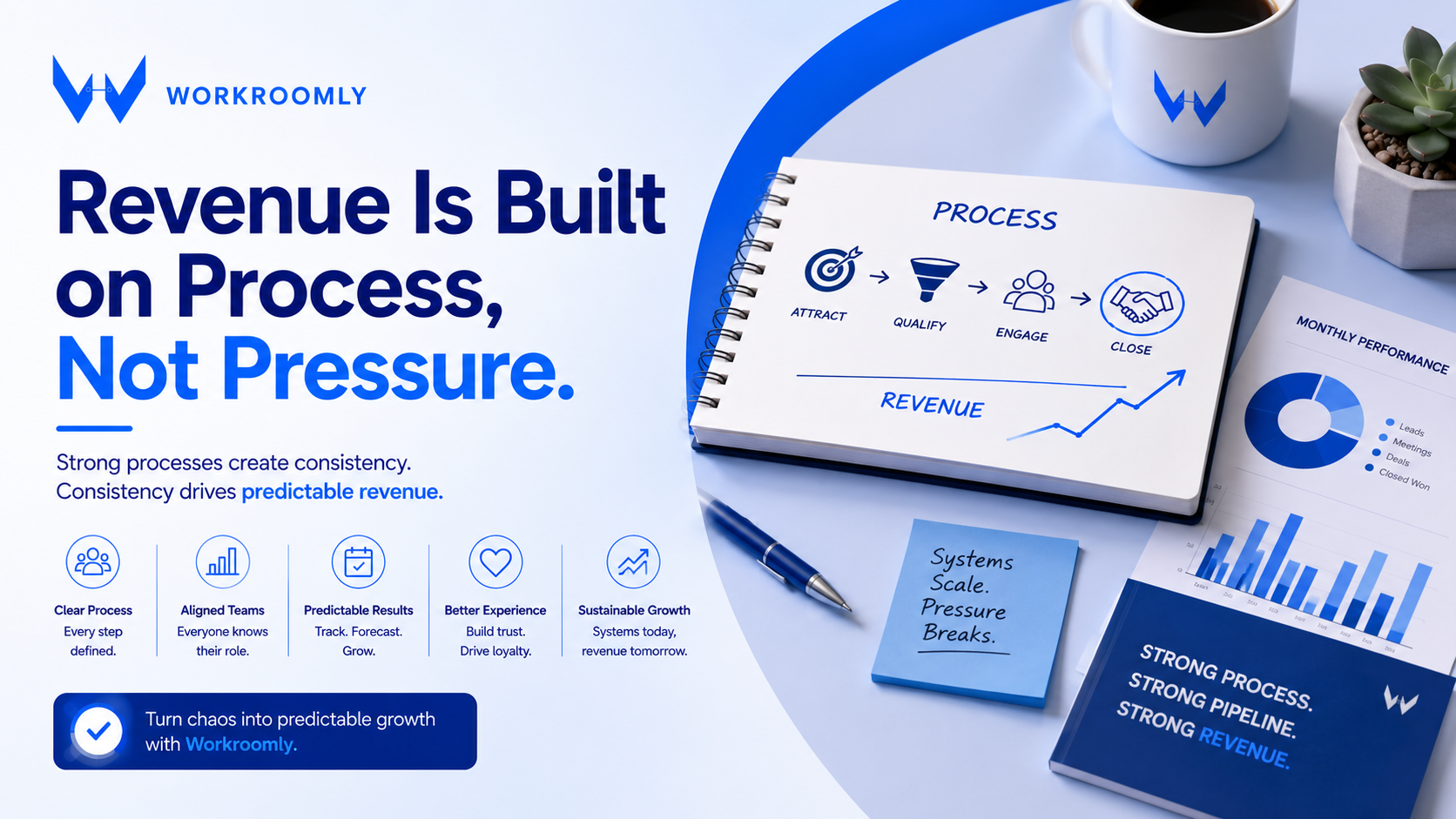
It ensures that every activity contributes to forward movement. It aligns effort with progress. It turns motion into direction.
This shift from activity to outcome is what transforms a pipeline from a passive tool into a revenue engine.
Building a System That Works
The most effective pipelines are not isolated tools. They are part of a broader system where communication, tasks, and client data exist in one connected environment.
When everything is aligned, the pipeline becomes a central layer that reflects and guides the entire sales process.
This is where modern work environments are evolving — toward structured ecosystems where leads, conversations, execution, and revenue are all connected.
In such systems, the pipeline is not something you update later.
It is something you work within.
Conclusion
Converting leads into revenue is not about increasing effort. It is about improving structure.
A well-designed pipeline removes guesswork, enforces follow-through, and creates a clear path from first contact to final decision — ensuring no opportunity is left to chance.
As businesses evolve, the focus is shifting toward connected systems. Solutions like Workroomly reflect this shift, turning pipelines from passive trackers into active systems that align conversations, tasks, and outcomes in one workspace.
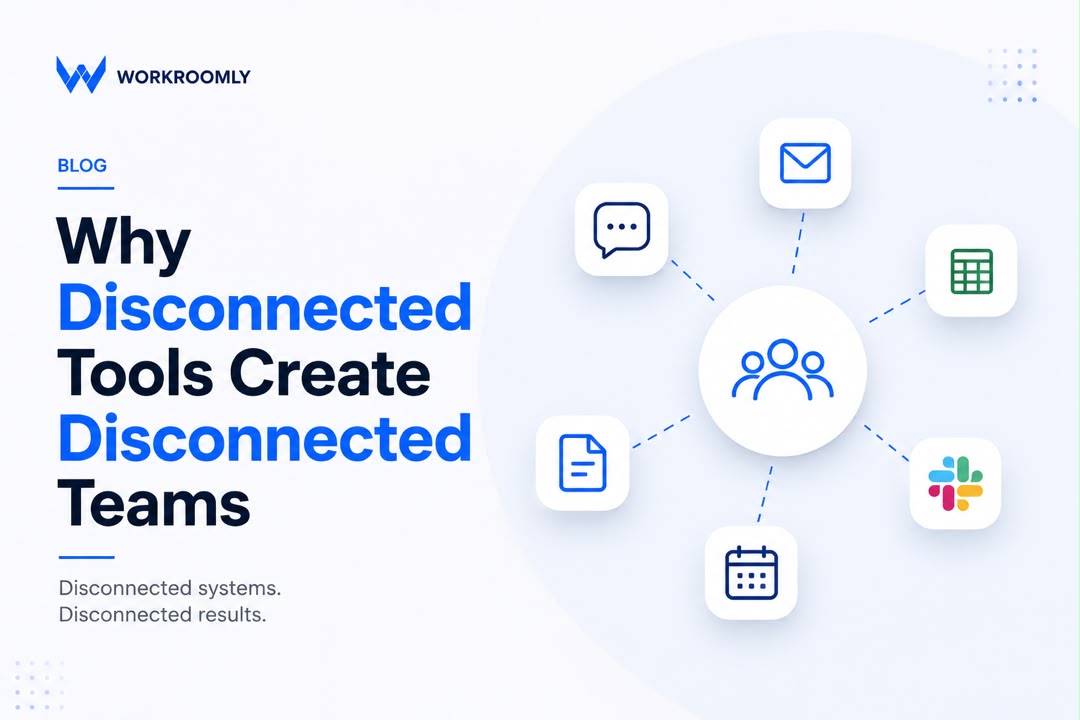
Instead of juggling disconnected tools, teams can manage the entire journey — from lead capture to customer support — in one place.
The result is clearer next steps, stronger accountability, and a process built to convert consistently.
Because at the end of the day, revenue isn't just generated.
Start Here: app.workroomly.com