For many businesses, a CRM is no longer just another software tool.
It has become part of daily operations.
It stores leads, tracks conversations, manages pipelines, supports follow-ups, and helps teams coordinate customer relationships across multiple stages of growth.
In many ways, a CRM quietly sits at the center of how modern businesses function.
Which raises an important question:
Can you truly trust your CRM with your business?
Because once a company begins relying on a system to manage opportunities, communication, and revenue flow, trust becomes more important than features alone.
Businesses Depend on CRM More Than Ever
Modern businesses move fast.
Leads come in from different channels.
Teams collaborate across departments.
Meetings generate action items.
Pipelines constantly evolve.
Without structured systems, things quickly become disorganized.
That is why CRM platforms have become essential.
They create visibility.
They organize workflows.
They centralize customer information.
But as businesses become more dependent on CRM systems, the consequences of instability become larger as well.
The Real Fear Behind CRM Adoption
When companies evaluate CRM platforms, they are not only thinking about functionality.
They are thinking about risk.
What happens if the system becomes unreliable?
What happens if workflows suddenly break?
What happens if important customer data becomes inaccessible?
What happens if teams can no longer depend on the platform during critical operations?
These concerns are real.
Especially for growing businesses managing large volumes of leads, clients, and internal collaboration.
Because operational software is no longer just supporting the business.
It becomes part of the business itself.
Features Attract Attention — Stability Builds Confidence
Many CRM platforms compete through features.
Automation.
Integrations.
Dashboards.
AI capabilities.
Advanced reporting.
And while features are valuable, they do not automatically create trust.
Businesses can learn new workflows.
They can adapt to feature limitations.
They can simplify processes when necessary.
What becomes difficult to recover from is instability.
A platform that crashes unexpectedly.
Delayed workflows.
Missing updates.
Broken coordination between teams.
These issues damage confidence quickly.
And once trust in operational systems weakens, adoption becomes harder to maintain.
Why Reliability Matters Operationally
A CRM affects more than customer records.
It affects momentum.
Sales teams rely on timely follow-ups.
Managers rely on visibility.
Support teams rely on context.
Operations rely on workflow continuity.
Even short disruptions can create delays across multiple departments.
When systems fail during active operations, the effects spread quickly:
- leads slow down,
- communication becomes fragmented,
- accountability weakens,
- and productivity decreases.
This is why businesses increasingly evaluate CRM platforms not just by what they can do, but by how reliably they can support real operational pressure.
Trust Is Built Through Consistency
Trust in software is not created overnight.
It is built gradually through consistency.
Businesses trust platforms when:
- workflows remain stable,
- data stays accessible,
- systems scale under pressure,
- and communication remains transparent during issues.
Reliability creates confidence.
Confidence creates adoption.
And adoption is what turns software into an operational foundation.
The Shift Toward Connected Systems
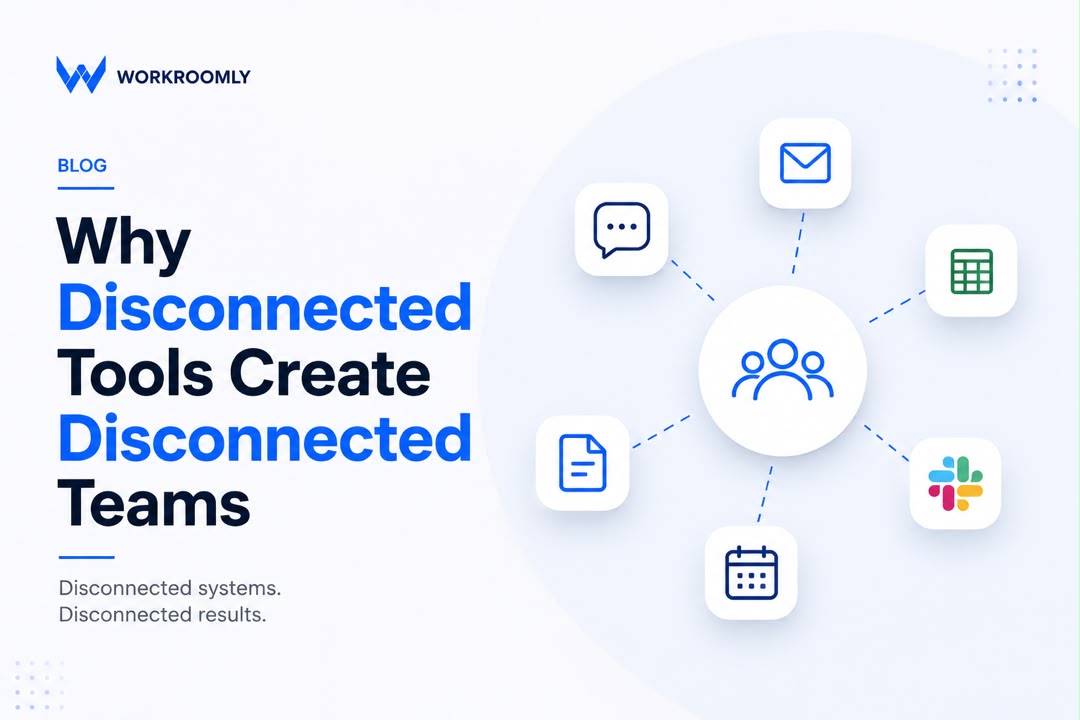
Businesses today are moving away from disconnected tools and fragmented workflows.
They want systems where:
- meetings connect to tasks,
- pipelines connect to conversations,
- follow-ups remain visible,
- and teams operate within one coordinated environment.
This is why many modern platforms are evolving toward connected operational workflows rather than isolated CRM functions alone.
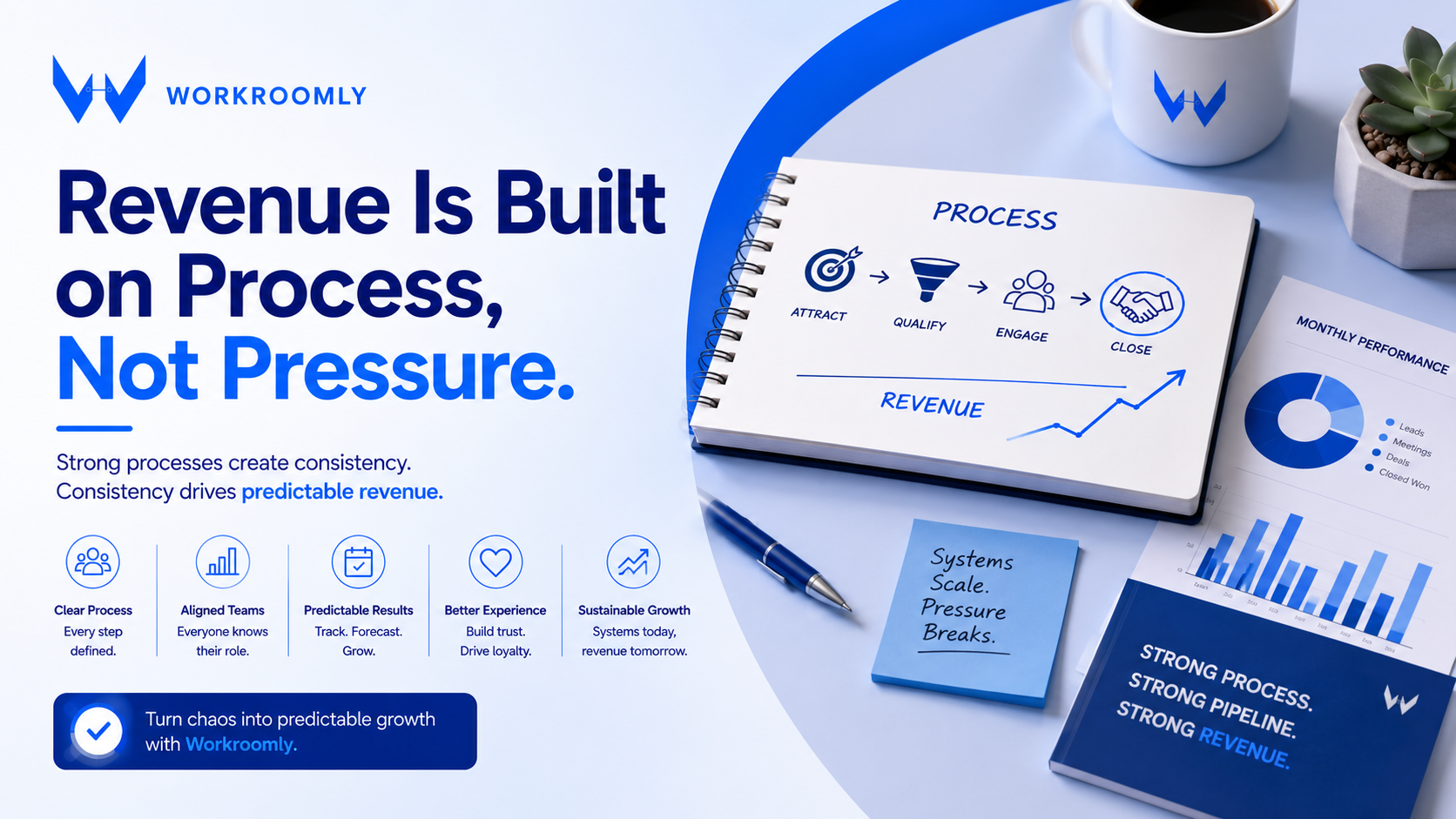
Solutions like Workroomly reflect this shift by combining workflows, meetings, pipelines, and customer management into one connected workspace designed to support both visibility and operational coordination.
Because businesses no longer need software that simply stores information.
They need systems they can depend on daily.
Trust Is the Real Product
At its core, every CRM makes a promise.
A promise that businesses can organize work more effectively, manage relationships more clearly, and operate with greater structure.
But that promise only matters when the system remains dependable over time.
Without trust, even powerful software becomes difficult to rely on.
And without reliability, operational confidence begins to break down.
Conclusion
The question is no longer:
“Does this CRM have enough features?”
The real question is:
“Can this system reliably support the way our business operates every day?”
Because modern businesses are not simply investing in tools anymore.
They are investing in operational trust.
And in the future of CRM, trust may become the most valuable feature of all.